sculpture house.

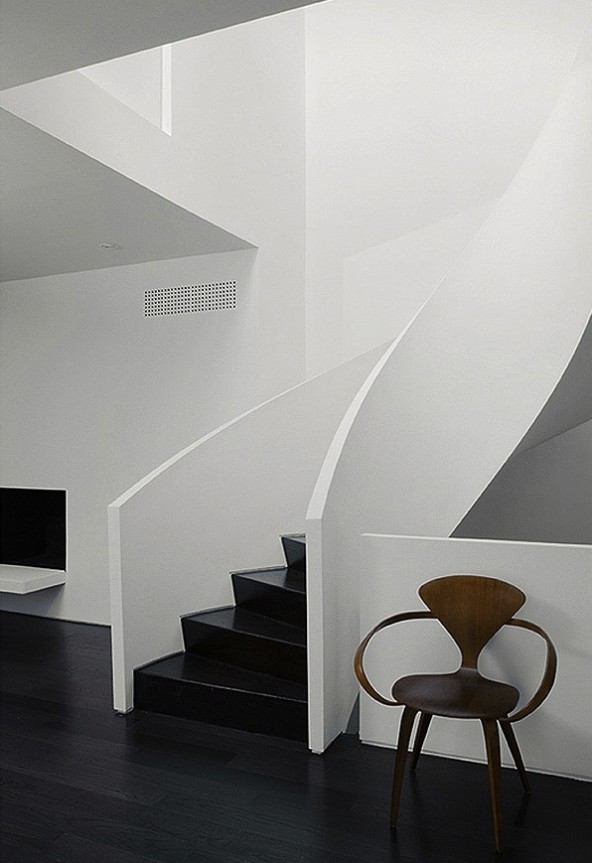
A double-height, fully glazed wall at the garden side of the house, extends the sense of the outdoors through to the interior. The interior of the building features three sculptural elements – a block of stone forming the central kitchen unit, a perfectly formed, curved stair, and a stone shelf and fireplace wall.

Interior finishes are kept simple – painted white or fabricated in super-hard white Corian, a man-made, solid-surface material composed of marble dust, bauxite, polyester resins and pigments. All floor surfaces, including the stairs are wood, stained almost black.

Russel_Hill_Road_gh3_afflante_com_1Russel_Hill_Road_gh3_afflante_com_2Russel_Hill_Road_gh3_afflante_com_4Russel_Hill_Road_gh3_afflante_com_3_0Russel_Hill_Road_gh3_afflante_com_8russell-hill-06

The furniture pieces are sculptural, classic, fabulous: Egg chair, Cherner chair, Smoke chair, Butterfly stool, Rosy Angelis floor lamp…

Russel Hill Road by gh3, via 

Images courtesy © Ben Rahn

More wonderful spaces, here

happy (easter) weekend.

privatemoon05

private moon in kaohsiung, taiwan – tianliao
photo © po-I chen

privatemoon11

‘under broken bridge’ in kaohsiung, taiwan
photo © po-I chen

privatemoon06

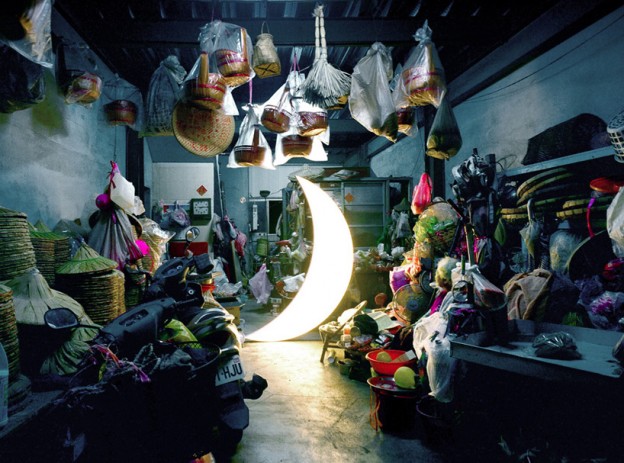
‘at the straw store’ in kaohsiung, taiwan
photo © po-I chen

Avant-garde artist Leonid Tishkov has been travelling around the world with his mobile art installation ‘private moon’. The project captures a series of photographs of himself with a large illuminated crescent moon, taken at various locations across China, New Zealand, Taiwan, the Arctic and France.

Via designboom; more, here

now house.

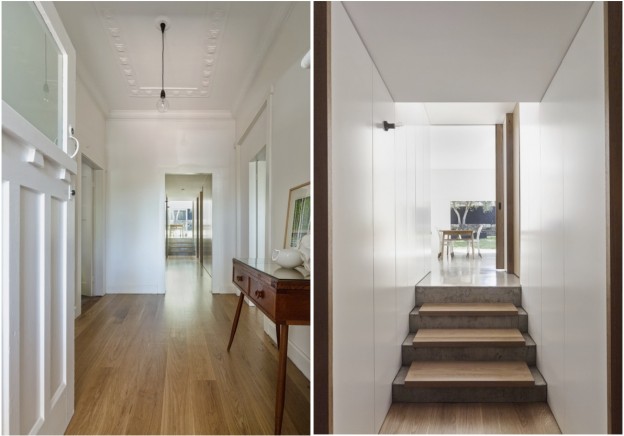
It is one of the biggest challenges facing designers – how to integrate traditional and contemporary and make it fit for now.  Pastiche doesn’t work, nor does simply ignoring the original. This house shows one way of mixing new with old, with an end result that is functional and fabulous.

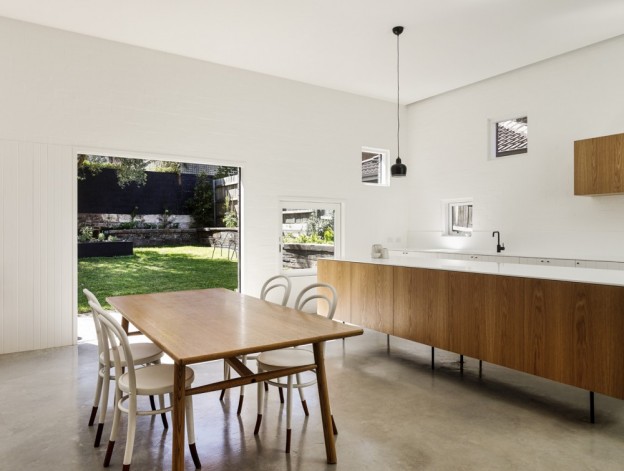
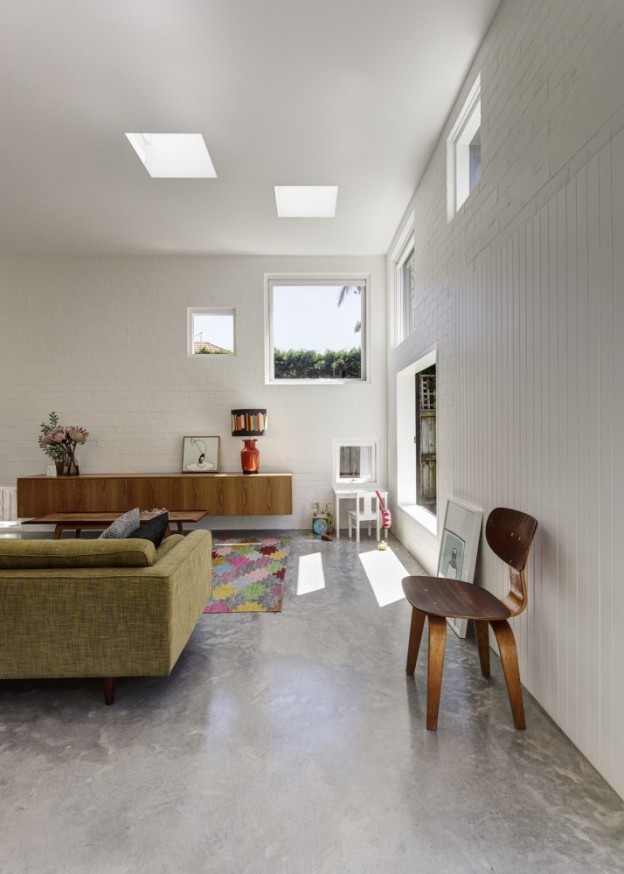
The existing house is a typical, Eastern Australian 1920s bungalow, highly decorative to the street, or public, elevation. In stark contrast, the side elevations of the house were – originally – completely unadorned. The new addition to the rear takes its cue from this diminution in decoration and presents a flat elevation to the rear garden; a simple box form with playful, cut outs for windows. Within, the decorative elements lessen too; the walls become simple planes dressed in white, the free-standing kitchen units stand on a poured concrete floor. All that is left to add are lovely pieces of furniture and a family.

house-boone-murray-tribe-studio-architects_121112house-boone-murray-tribe-studio-architects_121112 (5)house-boone-murray-tribe-studio-architects_121112 (6)hall old + newhouse-boone-murray-tribe-studio-architects_121112(6)

Hence, ‘the public face of the house is decorative and frilly, while the private face is quiet, honest and unadorned. It is the unpretentious face of private family life’.

House Boone Murray by Tribe Studio Architects via

Photographs, Peter Bennetts

More wonderful spaces, here

happy weekend.

christobap02

Ninety meters high, the inflatable, 5 ton form fills the interior of a former gas tank, amplifying the ethereal quality of the space with diffused light.

Big Air Package by Christo. Gasometer Oberhausen, Germany, now through 30 December 2013

via

bocci.

bocci_28d_04

Boc-ci  n. game of Italian origin similar to lawn bowling that is played with wooden balls on a long narrow court covered with fine gravel.

I discovered these lamps during Design Junction last year. I was quite taken with them, as was my three-year-old. In fact, they kept him entertained for quite some time.

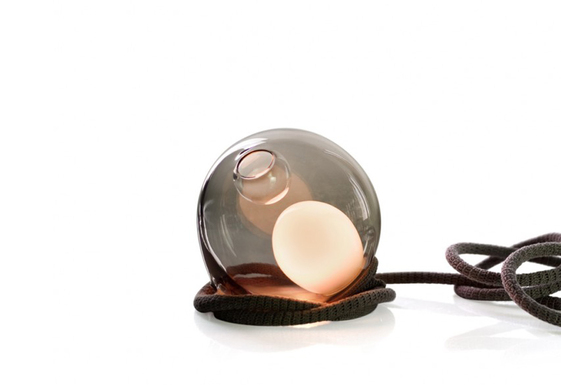
There are many incarnations. The 57 Series will be unveiled at Euroluce trade fair in Milan during Salone Internazionale del Mobile next month. There is the 28 series chandelier, and 14 series pendant light. I’m particularly partial to this one – the 28 series desk lamp.

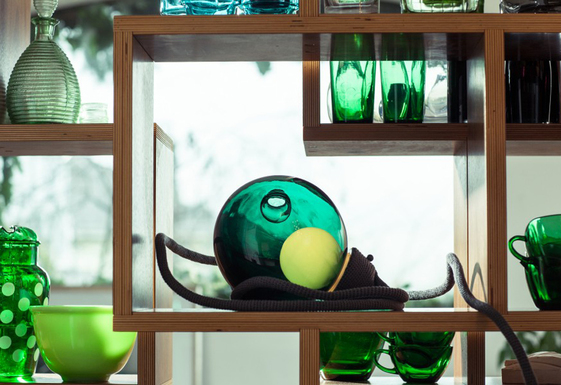
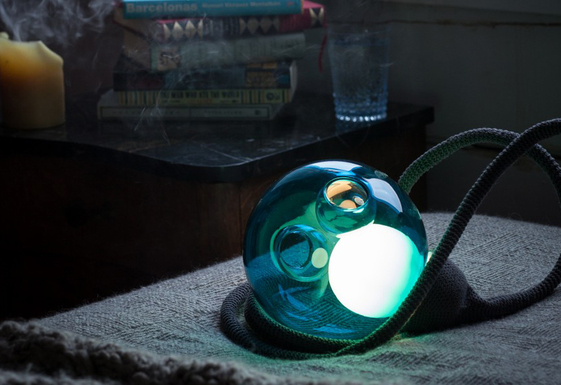
A bowling-ball sized glass sphere created by a complex glass blowing technique, results in the spherical shape with a collection of inner ‘satellites’. One of these is an opaque milk white glass bubble that houses a 20 watt xenon lamp. The fixture is designed to sit on a horizontal surface – desk, table, shelf, or floor. The flexible grey cable is intended to be coiled into a sculptural pattern to provide a cushioned surface on which the glass sits.

The colours are many and various. And it’s low voltage. Dimensions, 15cm diameter.

henry at the fairbocci_28d_05bocci_28d_02bocci_28d_01

Get one, here

More found objects, here

corten house.

I first came upon the architecture of John Winter (1930-2012) three years ago, experiencing it first hand in a beach house he owned on the north east Norfolk coast (you can stay there too; details, here). Inspired by Charles Eames’ west coast cabin (he worked with Eames when he moved to San Francisco early in his career), he designed and built the house out of renewable timber, steel and aluminium. It is the simplest of plans being rectilinear in form, with windows running along both of the long sides, and my favorite of all interior spaces – a sunken lounge.

The subject of this post however, is not that house but this one, in Highgate, North London. Built in 1967 by John Winter for his own use, this is a wonderful, proper modernist house, given a rare Grade II* listing by English Heritage: ‘This is a highly influential and unusual house in its structure, materials, plan and aesthetic. It is still a model for minimal housing, as influential today as it was when it was built’.

DSC_1875_LargeDSC_1867_LargeDSC_1735_LargeDSC_1886_LargeDSC_1802_Large

Constructed around a steel frame, the house has huge double-glazed picture windows that flood the interior with light. It is clad in Corten, a steel alloy that weathers naturally to a beautiful dark rust colour. This was the first domestic use of the material in Britain, and the proportions of the house and grid were designed around the dimensions of the standard, factory-produced Corten sheet, so that nothing was wasted.

DSC_1711_LargeHOME_NEW_DSC_2819_2_Large

It has three floors with, unusually for the time, the living room on the top floor, to take advantage of the views over the utterly charming Highgate cemetery and Waterlow park opposite. The interior is all original – kitchen, built-in storage, quarry tiles. The long, low linear shelf which runs the length of one wall is a detail he used often. And there is, of course, fabulous original  furniture – Barcelona arm chairs and coffee table, and Eames’ LCW wood lounge chairs and ubiquitous (but no less than fabulous) DSR chair.

It’s for sale, and sadly, I won’t be buying it. Corten house via The Modern House.

More wonderful spaces, here. More design heros, here.

happy weekend.

484700_513495592025903_1919996639_n

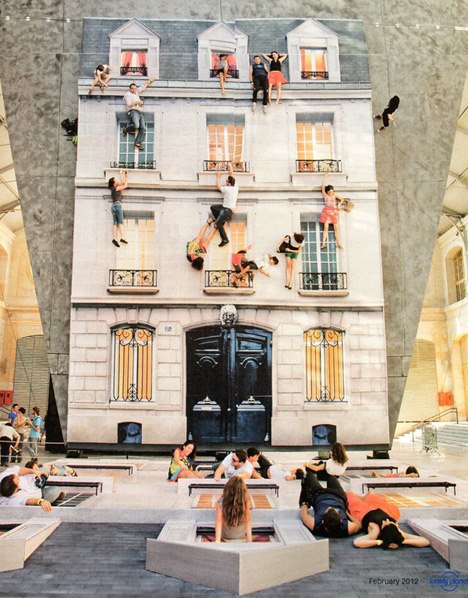
This mirrored street facade art turns pedestrians into acrobats.

The ‘Bâtiment (Building) was a mirrored installation by artist Leandro Erlich on display at Le 104 in Paris as part of their In_Perceptions exhibition. The piece is clever in its simplicity: a massive building facade is constructed on the floor near a towering mirror giving anyone reflected the uncanny appearance of being weightless’.

from Sustainable Cities Collective; more, here

fab four: limited edition prints.

fabfour 1

1. Judith Hopf, Nose (a collaboration with Martin Ebner), 2008

Silkscreen on paper
40 x 50cm

They say: Hopf has worked in a wide range of media, offering an absurdist-and ultimately utopian-exploration of artistic forms and everyday conventions. This silkscreen print was inspired by the work of Bridget Riley, whose style is here unexpectedly used to depict a nose. I say: what fun!

Available from The ICA 
fab four2

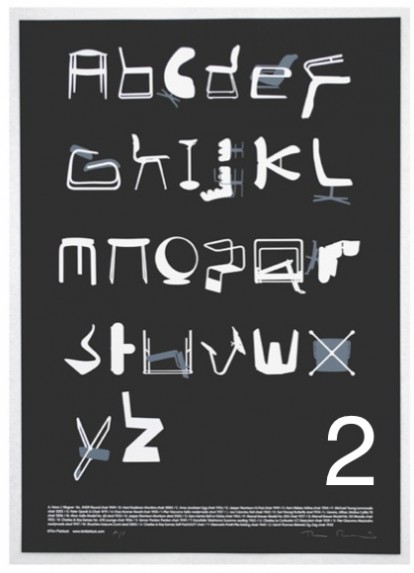
2. Typeseat print, designed and manufactured by Tim Fishlock.

Edition of 300 prints. 50 x 70cm.

Screen print by Tim Fishlock using classic chairs to depict the letters of the alphabet.

Available from Twentytwentyone.

fab four3

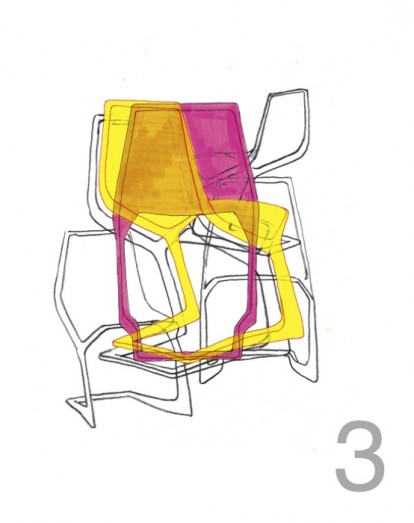
3. The Chairs, limited edition print by Konstantin Grcic.

Screen print on 280gsm paper, A2 size.

Konstantin Grcic is an industrial designer who has designed products and furniture for manufacturers such as Authentics, Flos, Krups and Magis. The subject of this print, his MYTO chair was selected for the Design Museum’s Designs of The Year award and exhibition in 2009. The Chairs is screen-printed in seven colours, including three fabulous fluros…

Available from the Design Museum shop.
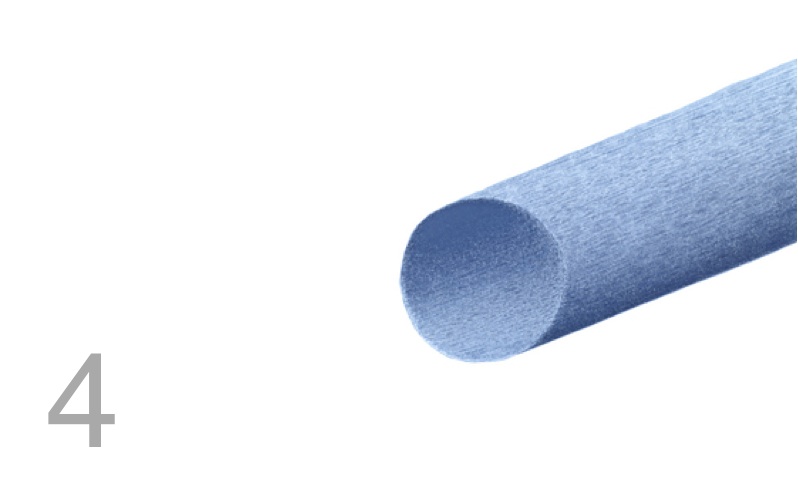
fab four44. L03, 2012, designed by Ronan Bouroullec, manufactured by Wrong Shop.

Digital print using mineral-based Ultrachrome K3 pigmented inks with resin. Hahnemuhle certified 310g Museum Etching paper.

Unframed: 158.6 x 111.8cm.

Hand-drawn sketches from the individual collections of industrial design brothers Ronan and Erwan Bouroullec produced in series as prints. The original works formed part of recent exhibitions at the Vitra Design Museum and Centre Pompidou Metz.

Available from Twentytwentyone.

Fab four limited edition prints. Which, if any, do you like?
More fab four, here.

open and close house.

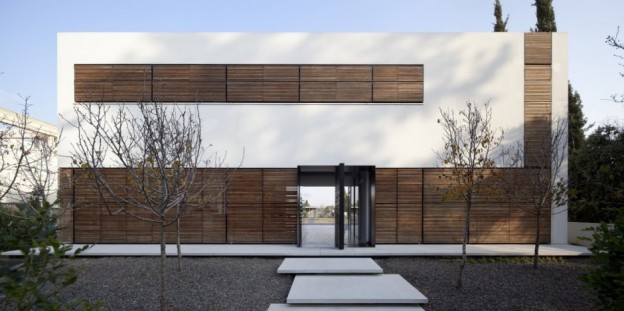
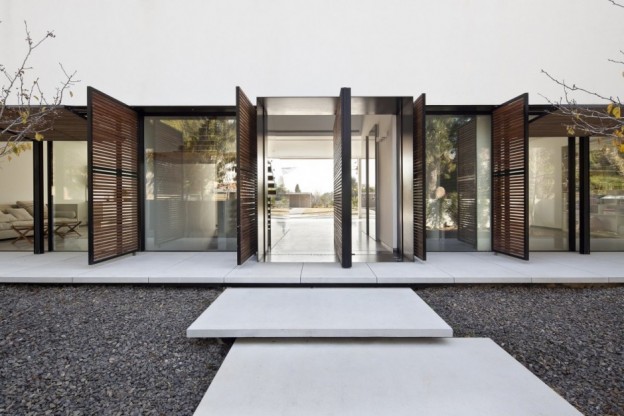
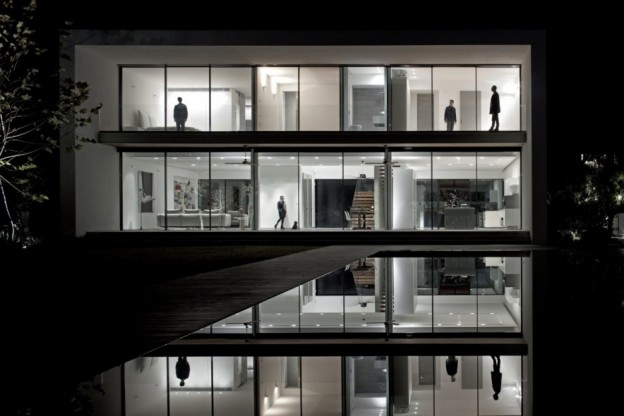
It begins as a linear box, then, a system of wooden, slatted blinds create a dynamic, evolving facade. The blinds and openings operate separately and so allow for different compositions, sometimes controlled and sometimes random. At any given moment and for whatever reason (privacy, protection from the sun) the facade can change. Thus: ‘we can achieve a composition that is balanced, dynamic, haphazard, closed or open within the same framework’.

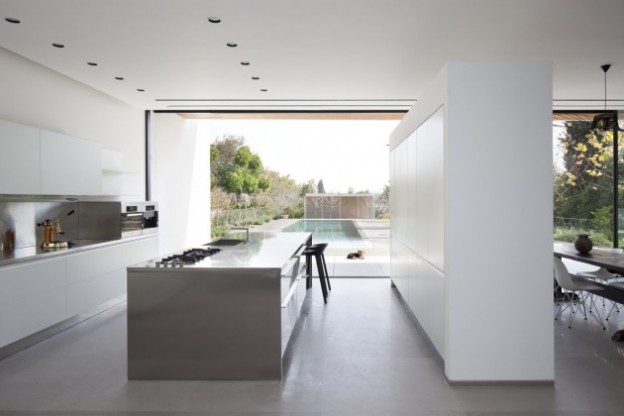
Within, the space is simple. White perimeter walls, dividing walls that don’t meet the ceiling, others that shoot past. Linear slots in the ceiling contain the lighting. A poured concrete floor provides a seamless transition throughout. The stair comprises timber treads cantilevered off a concrete wall, with formwork bolt holes forming the decorative element on the surface of the concrete in a controlled pattern. The balustrade comprises sheets of iron-free glass (so are transparent, not green in colour) which are without frames or evident fixings.

The furniture is classic and simple – Eames DSR chairs, a Barcelona coffee table, a parasol-like pendant over the solid wood dining table (I’m not familiar with this particular pendant, but it’s rather lovely).

ks_080313_02-940x468ks_080313_13-940x626ks_080313_04-940x626ks_080313_15-630x420ks_080313_14-940x626ks_080313_18-940x1321

The wood slats are continued inside, which together with the external slatted blinds, cast wonderful lines of sharp, playful light.

Kfar Shmaryahu House in Israel by Pitsou Kedem Architects via 

More wonderful spaces, here

house of the year.

A little further from home this time, this house has just been awarded House of the Year 2012 by World Architecture News (WAN), the global architecture news web-site.

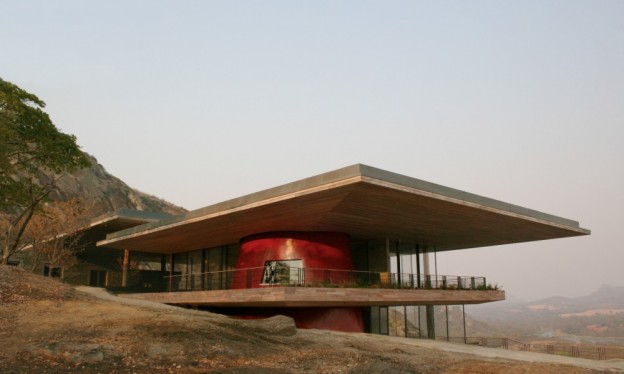
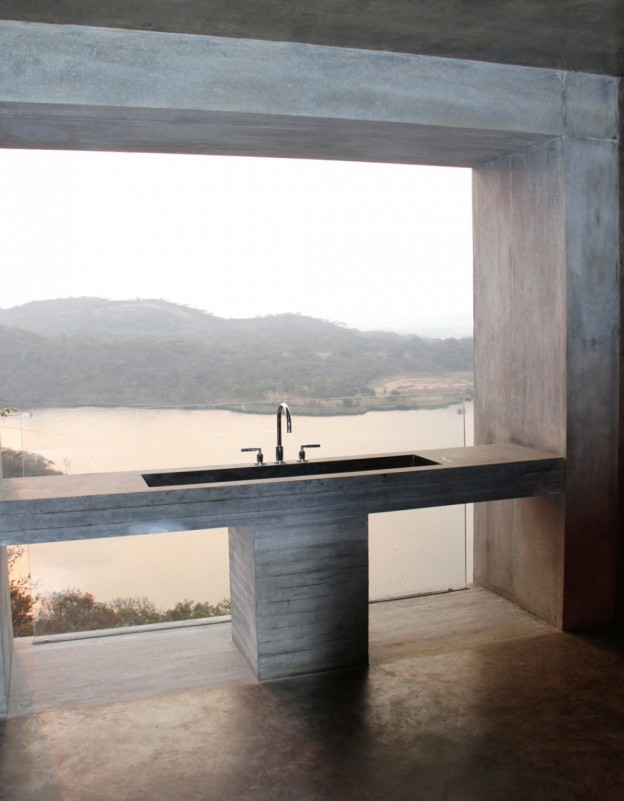
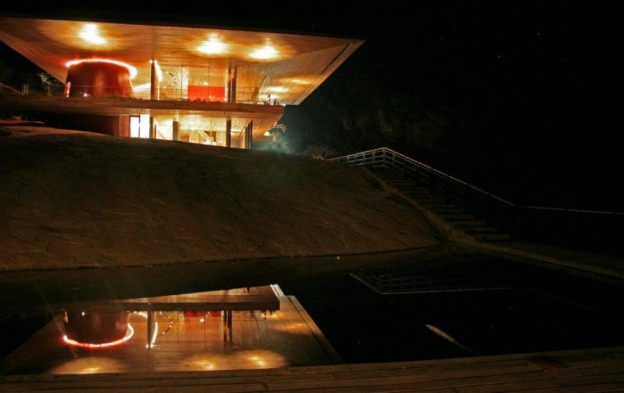
The location is spectacular – situated on top of a granite rock, overlooking a man-made dam. Rather than being overwhelmed by its elevation, the house appears to float over it, with changing levels to take advantage of the views all around. It is a relatively simple structure, with two granite blocks, excavated from the site, to anchor the building and enclose the bedrooms; an over-sized timber platform and roof to protect from the harsh sun, and two glass boxes spanning between. All materials are locally sourced, except the specialist items – the glass, for example.

The magic lies with the shifting planes, which follow the gradient of the hillside perch. A sunken terrace here, an over-sailing roof there.

21494_3_OUTSIDELOUNGE21494_5_INTERIORSINK21494_4_OUTSIDELOUNGE21494_6_INTERIORSTAIR21494_2_EXTERIOR

Gota Residence, East Africa, by Sforza Seilern Architects. Read what the judges said, here.

More wonderful spaces, here