black + white house.

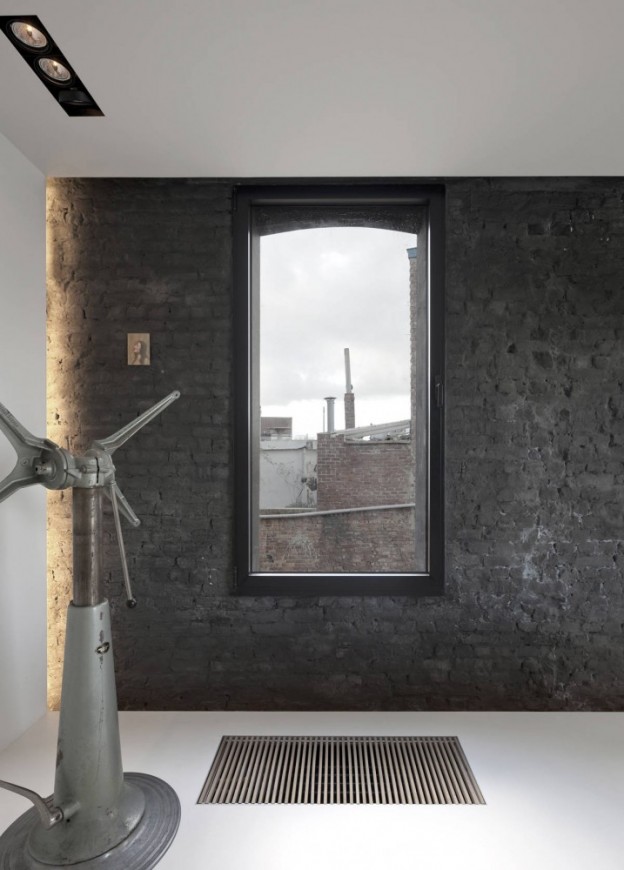
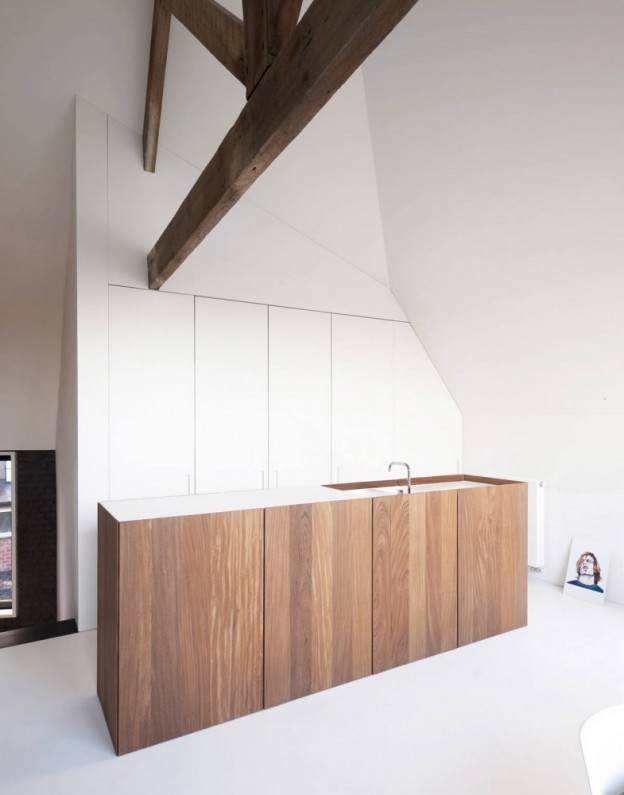
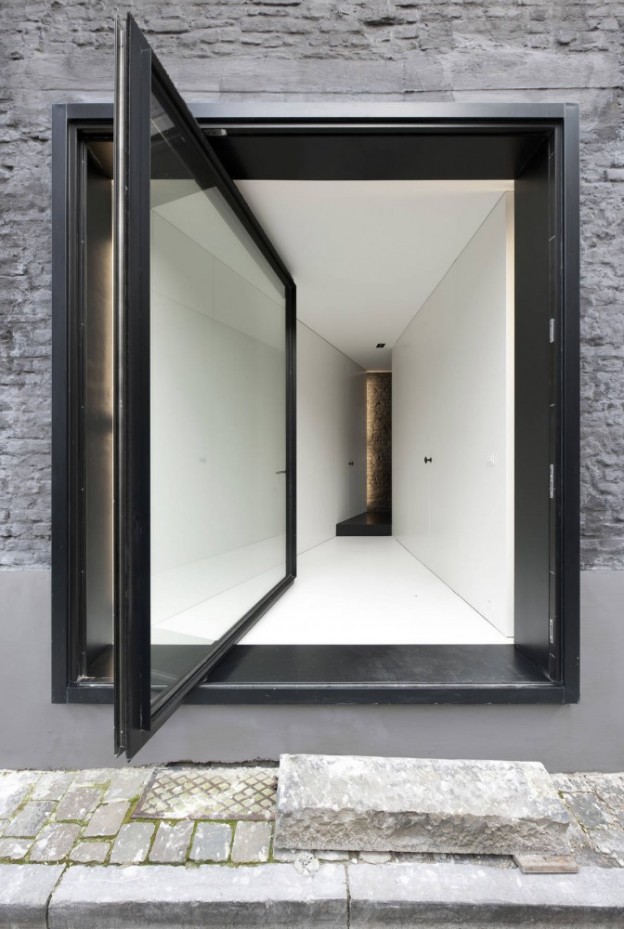
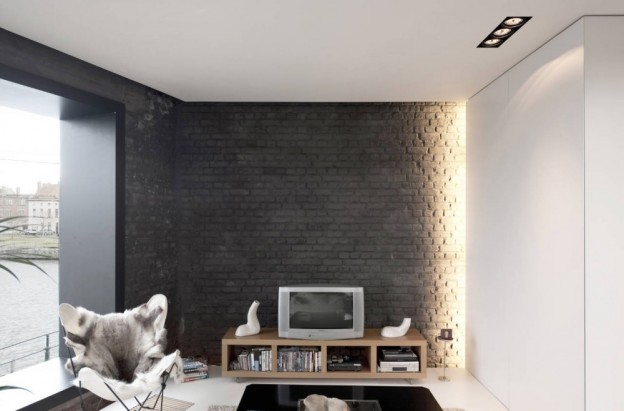
I discovered this house on Pinterest and had to investigate further. The beautifully framed views were the first thing that caught my eye; the cutouts with their wonderfully deep window reveals hint at the sheer thickness of the walls beneath. The next thing that captures the imagination is the restrained but dynamic palette of whitest white and blackest black, which offers the perfect backdrop to the soft, watercolour view beyond. An original brick wall is retained and painted dusky black, offering softness and texture to the otherwise crisp, smooth surfaces. The junctions between old and new float past each other and provide a slot where light is allowed to emanate from, or left in shadow. The palette of materials is kept minimal; a simple wood kitchen bar sits like a sculptural piece in the otherwise white space, with the rest of the kitchen concealed behind a white wall of doors.
1339549279-gba-house-g-s-luc-roymans-7-672x10001339549802-gba-house-g-s-luc-roymans-10-1000x6581339549819-gba-house-g-s-luc-roymans-12-717x10001339550008-gba-house-g-s-luc-roymans-16-785x10001339550088-gba-house-g-s-luc-roymans-19b-708x10001339550020-gba-house-g-s-luc-roymans-18-673x10001339549404-gba-house-g-s-luc-roymans-8-1000x6091339548936-mainimage-gba-house-g-s-luc-roymans-1-829x1000

This 19th century corner house is located on the waterfront overlooking the old city harbour docks of Ghent, Belgium. The original house was stripped back to facade, stairwell and roof truss. The rooms and living spaces are conceived as a ‘stack of volumes, a white sculpture inserted in the existing casing’. The functions of the house are inverted, with the bedrooms on the ground floor, the living areas above. The architects have aimed to create a ‘symbiosis between contemporary residential living and the charm of a 19th century Belgian corner house’.

I’d move in tomorrow, would you?

House G-S in Ghent, Belgium via Arch Daily

Photography, Luc Roymans

More wonderful spaces, here
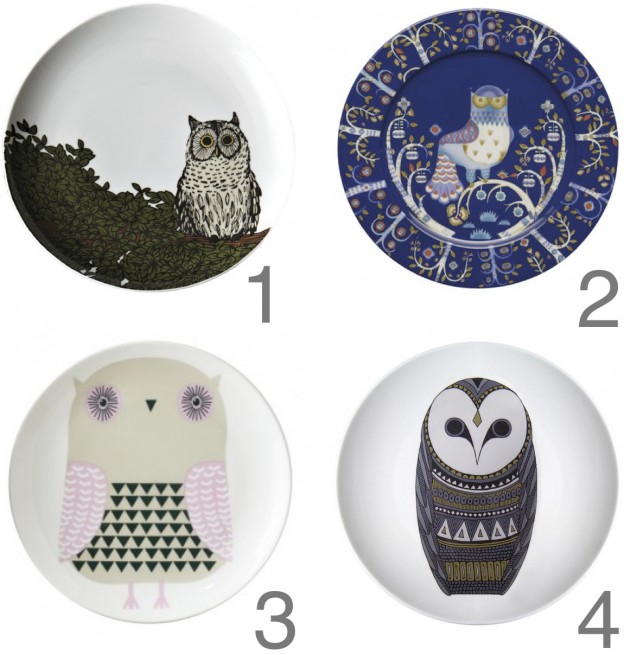
owly plates.

owl final edit

1.  Owl on a branch desert plate by West Elm

2.  Taika plate by iittala

3.  Owl plate by Donna Wilson

4.  The One Who Waits plate by Natasha Lawless

More fab four, here

a glamorous modernist.

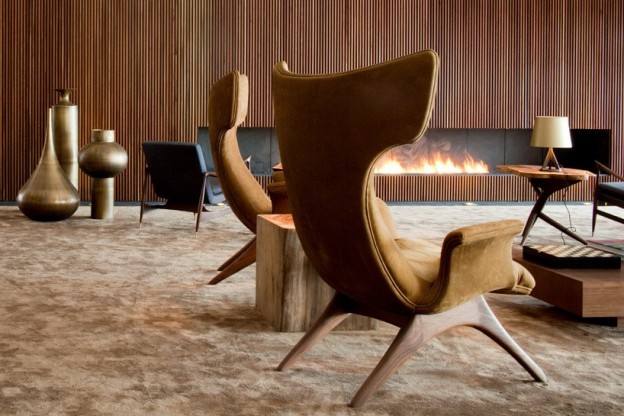
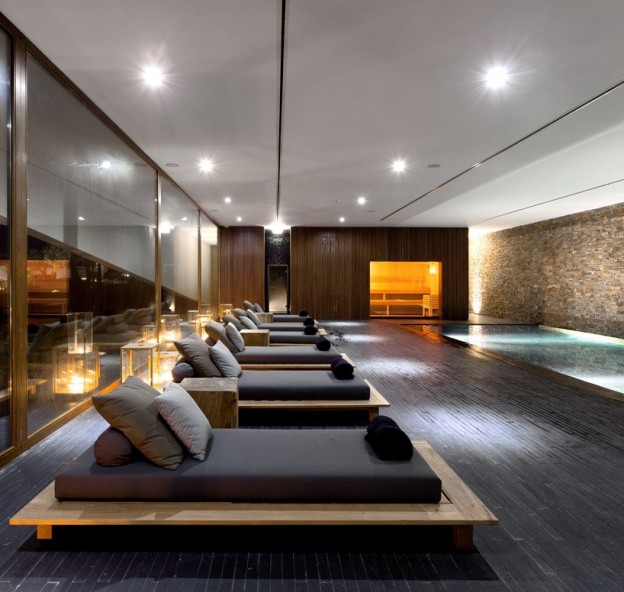
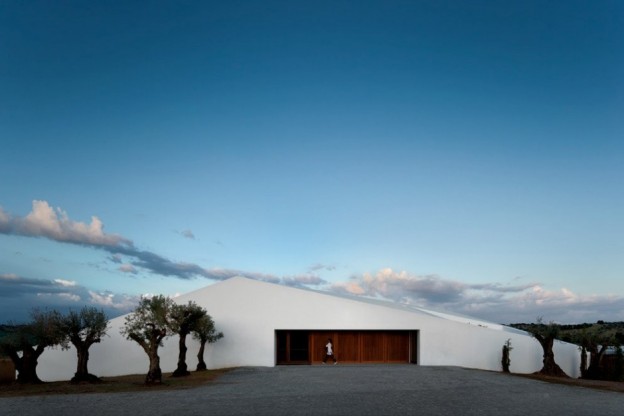
In a series of low-slung, white, modernist buildings set among vineyards is this hotel. The warm, earth-toned interiors are dominated by wood and slate, with timber slat walls dividing the linear spaces according to function. Copper light fittings and bronze sculptural pieces add glamour to the wonderfully textural, bespoke furniture pieces.

l'and vineyard1

mk_161212_10

mk_161212_13mk_161212_16mk_161212_17mk_161212_19patio2_10828729794ec38b5c8020amk_161212_26-940x626

This is the first project in Portugal to be certified under BREEAM. BREEAM (BRE – Environmental Assessing Method) is a standardised environmental assessment method and rating system for buildings. A BREEAM assessment uses recognised measures of performance to evaluate a building’s specification, design, construction and use. The measures used represent a broad range of categories and criteria from energy to ecology. More about BREEAM, here

So – good looks AND green credentials. I think I’d like to be checking in about now…

L’and Vineyards, Montemor, Portugal by StudioMK27 with Promontorio architects; photography Fernando Guerra.

More wonderful spaces, here

a thoroughly modern mirror.

JF D'OR_EDVARD mirror_Reflect+_preview Interieur 2012JF D'OR_EDVARD mirror_Reflect+_preview Interieur 2012JF D'OR_EDVARD mirror_Reflect+_preview Interieur 2012JF D'OR_EDVARD mirror_Reflect+_preview Interieur 2012JF D'OR_EDVARD mirror_Reflect+_preview Interieur 2012

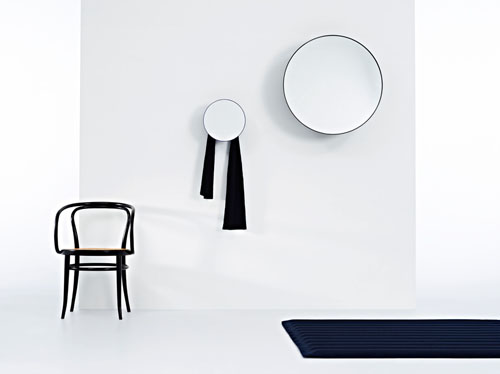
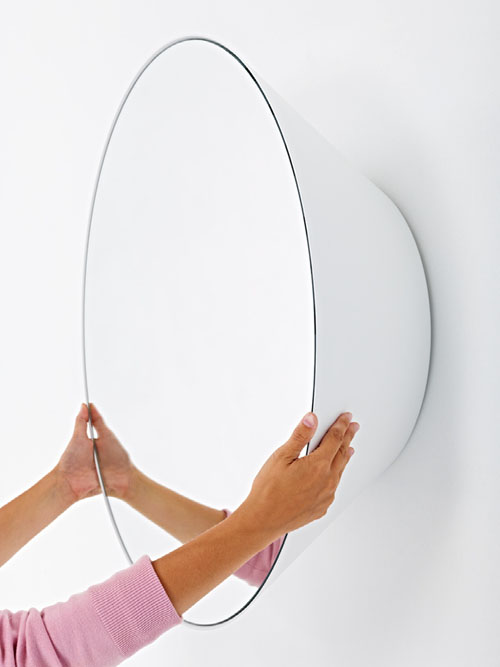
I haven’t seen a mirror this fabulous since Gubi introduced the elegant Adnet Circulaire L, (here). Many styles away, this one is set to inspire a multitude of copies, with its simple, geometric form and clean finish. It is a truncated cone, made of aluminium.

The images they have produced are beautiful and clever – is it a hook? Is it a table? Is it a random object? Is it big or small? The final image reveals the mirror – a very contemporary piece to hang on a wall or place on the floor. It is also a hook. And a table. And a random object. And it comes in both big and small.

JF D'OR_EDVARD mirror_Reflect+_preview Interieur 2012

All images, Daily Icon. Edvard Mirror Collection, by Jean-Francois d’Or, for Reflect+, here

More found objects, here

eclectic loft style.

Industrial, eclectic, contemporary, this apartment in Paris is wonderfully open and spacious, yet intimate.

The interior has been stripped back to its shell, and the structure – concrete columns and beams and the odd brick wall – kept in their raw state. The original iron work of the window frames (and a wonderful transparent screen between the bathroom and bedroom, just glimpsed in the photographs) have been painted black, causing them to recede.  There is a lightness of touch – the structure is expressed, but it doesn’t overwhelm. A wide-planked American oak floor has been added for warmth.

The palette and fittings are kept simple with shades of grey, black and white, allowing the fabrics and materials of the found objects – a mix of industrial pieces and flea market finds – to add their own exuberant colour and texture. I spy contemporary design classics too – Eames DSW side chair (on sale, here), Bertoia side chair, Butterfly chair.

paris loftparis loft2Antonio-Virga-Bonnard-Apartment-5

Photography Birgitta Wolfgang Drejer via 

There is an interesting article entitled The Raw Design Movement, here, identifying the use of raw materials as an interior design trend going forward in 2013. This isn’t a new idea, but I’m all for materials left in their natural state. What do you think of the use of natural, unembellished  materials in interiors? Does this eclectic, raw loft space inspire you?

More wonderful spaces, here.

stool 60 turns 80.

This stool is about as good as it gets. An iconic form – simple, practical, stackable, durable. I have two at home and I use them as bedside tables… and something to stand on if I need to reach beyond tip toes. A perfect little piece of design.

The story started 80 years ago when Finnish architect and designer Alvar Aalto tested the sturdiness of his three-legged stool by repeatedly throwing the prototype to the floor at the Korhonen furniture factory. The simple wooden stool represented a new approach to furniture design, and a continuation of the brand of modernism initiated by Bauhaus. The use of wood instead of tubular steel was revolutionary at the time. Aalto had spent several years working on the stool’s design and the development of its curved, L-shaped legs.

Stool 60 was first introduced to the international public at the Wood Only exhibition in London in 1933, to rave reviews.

The stool celebrates its 80th birthday with two special editions:

aalto colours

The colours of the Stool 60 Anniversary Edition are taken directly from Aalto’s Paimio Sanatorium (1928–1933): the yellow of the floors, the green of the walls, the turquoise of the handrails and walls, and the orange, white and black of the furniture. The Paimio Sanatorium is considered to be the most important functionalist building by Aalto.

special edition artek

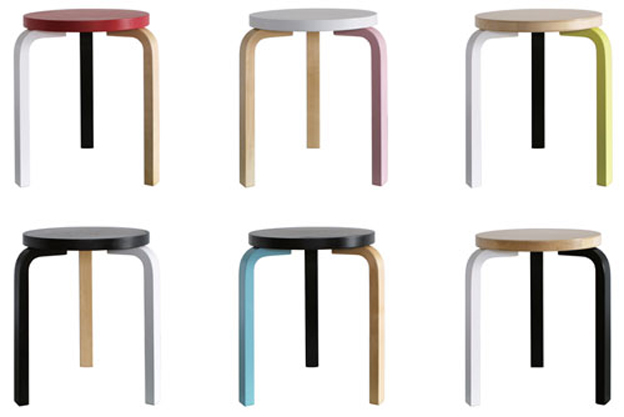
And German artist Mike Meiré’s Special Edition features four different colour ways – a red, black, white and birch stool, recalling the Bauhaus movement. A more industrial approach with sulphur yellow added to the black, white and birch. The third colour way is birch, white and light pink. The fourth is minty turquoise with birch and black.

Which would you choose? You can get one (or two…), here
All images, artek

More found objects, here
the abc of architects.

This charming infographic slideshow reels off an architect of note for every letter of the alphabet with a 2-D animation of their most notable project. All done in the style of a 1930s projector video replete with old-fashioned scratches and whimsical instrumental music.

The ‘ABC of Architects’ by Colombian graphic designer and visual artist Federico Gonzalez and Andrea Stinga runs from Alvar Aalto to Zaha Hadid, even managing to fill the letter X – Iannis Xenakis….

Who?

A little investigation uncovered this unfamiliar architect, a protege of Le Corbusier, who was entrusted with the project management of the Philips Pavilion, Expo ‘58 in Brussels (Le Corbusier was busy with the planning of Chandigarh). The pavilion is a cluster of nine hyperbolic paraboloids, composed asymmetrically and constructed out of prestressed concrete. Et voila!

The ABC of Architects, via Designboom

More ponderings, here

hampstead emporium.

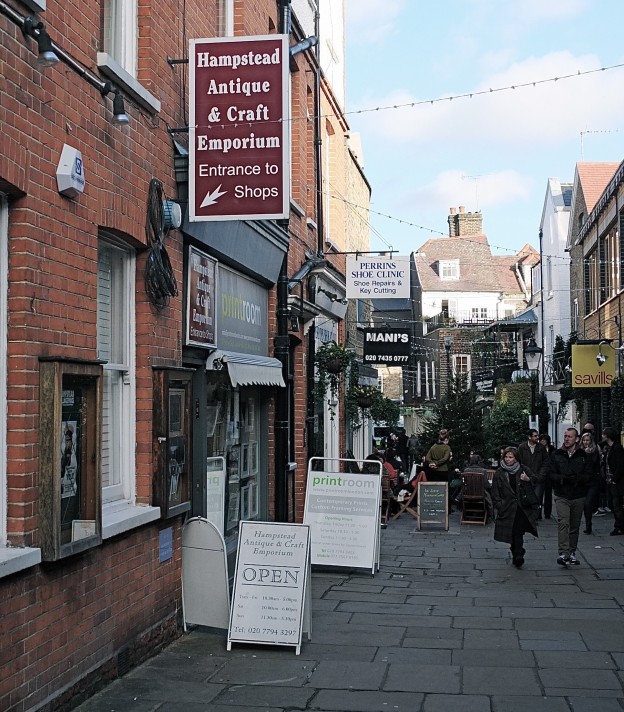
Hampstead Village in North London is a village in the true sense, and the most wonderful place to amble around. It is home to the wonderfully exuberant and eccentric Hampstead Antique Emporium, a narrow winding arcade of tiny antique shops, tucked behind Perrins Court.

haaace edit

Each is a place you want to peruse at leisure, where every piece for sale has a history. The owners are passionate about their wares, and that passion shows. Three of my favorites:

maudandmabel1

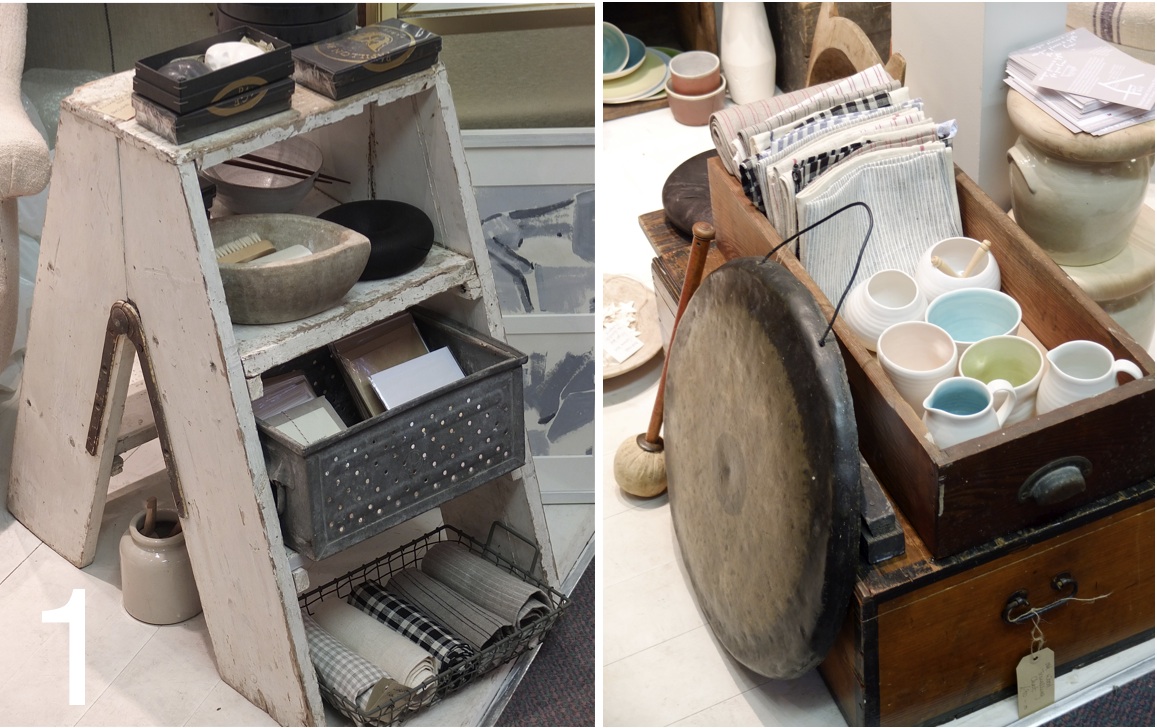
1. Maud and Mabel (feature image and above) exudes calm and serenity. The backdrop is natural and neutral, and the products are all tones of white, pale beige, pale blue and eau-de-nil. Karen has styled the shop to within an inch of its life – it is beautiful. She carries wonderful ceramics by top ceramicists; the tightly edited selection mean the pieces form a cohesive whole. There is a distinctly Japanese feel (2 of the ceramicists are Japanese) and the Japanese raku ware are standout pieces, as well as plates painted with a pattern of old lace. Other items are staunchly Brirish and utilitarian – string, scissors, cards, towels – but all things of beauty. Table linens and a small collection of clothing are soon to be added (hooray!)

modernist2

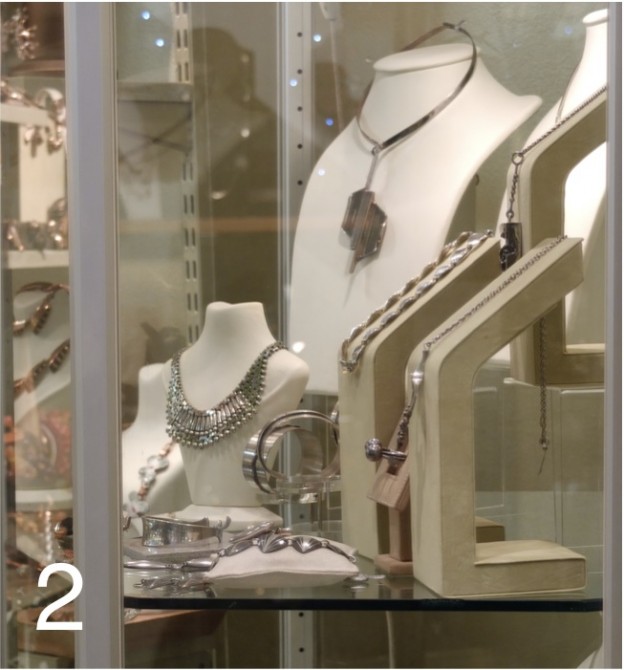
2. The Modernist stocks vintage jewellery from the 1930s to the 1970s, mainly Scandinavian and American; beautiful sculptural pieces, each one a statement. Vintage silver, copper, bronze and jewel-coloured 1950s enamels; it is the mid-century Danish stuff that really resonates for me – vintage Georg Jensen, Henning Koppel and Nianna Ditzel, amongst others (I have a silver choker from here that I adore). The owner Nicole’s interest in American Modernist copper jewellery was sparked by a piece her mother had bought in New York just after the war; spending time in NY she became hooked. Scandinavian silver was later added and the result is an amzing collection of unique pieces.

lovedagain3

3. Loved Again is all 50s snd 60s homewares – sorbet-coloured melamine plates, baskets, mid-century furniture and plastics. It’s all about shape and colour, sourced from all around. Monica is a cook and it shows in the wonderful collection of 1950s kitchen aids, later to become household objects during the rise of mass production. Babycham glasses inprinted with sweet baby deers are best sellers and about as iconic of the era as it gets.

Hampstead Antique and Craft, 12 Heath Street Hampstead NW3

More found objects, here

house of stone and wood.

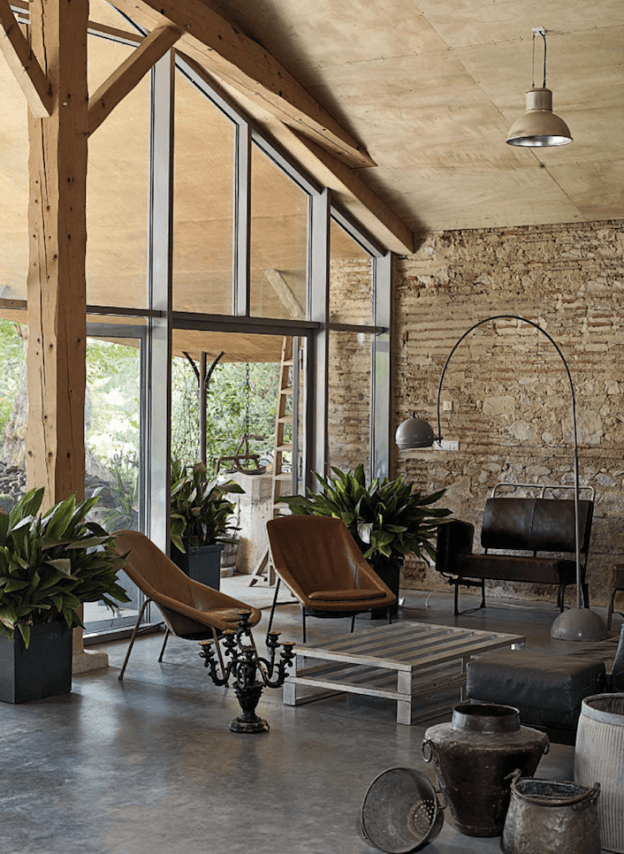
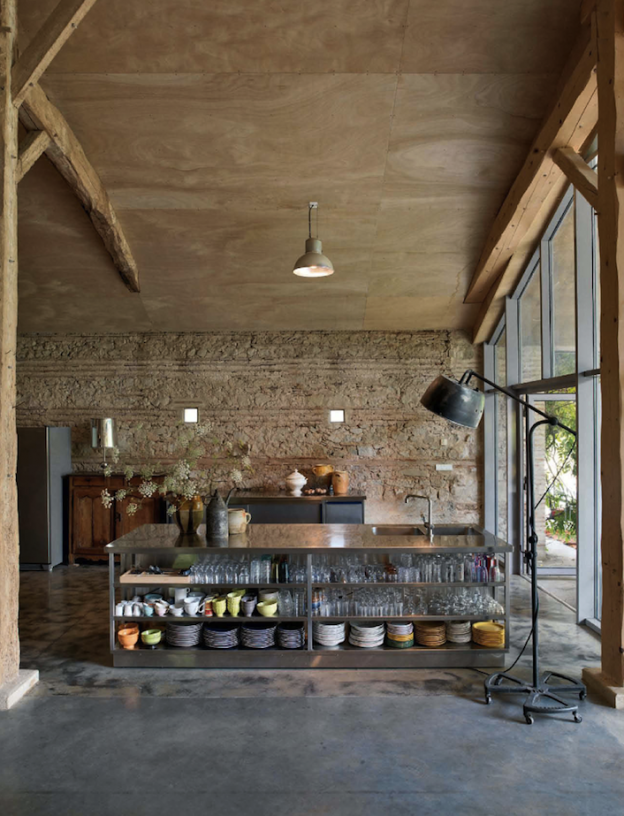
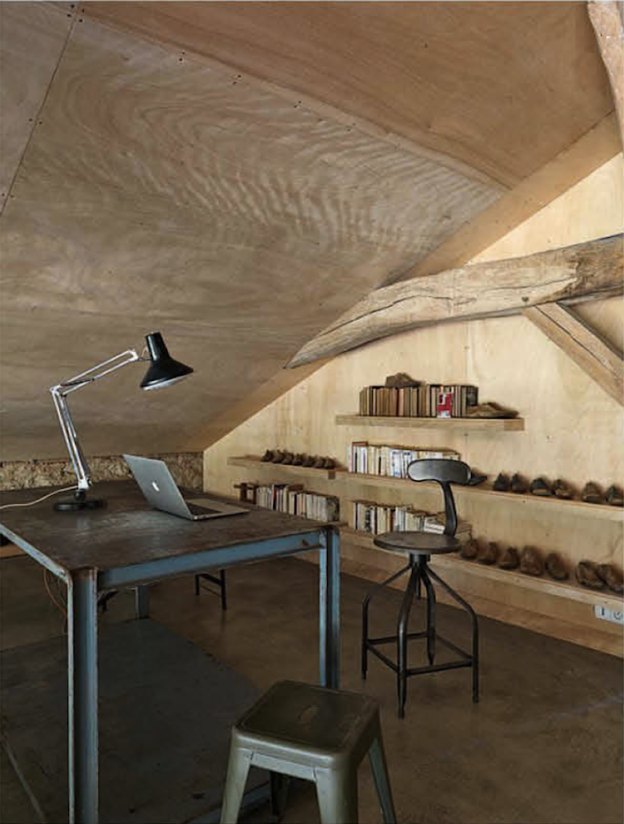
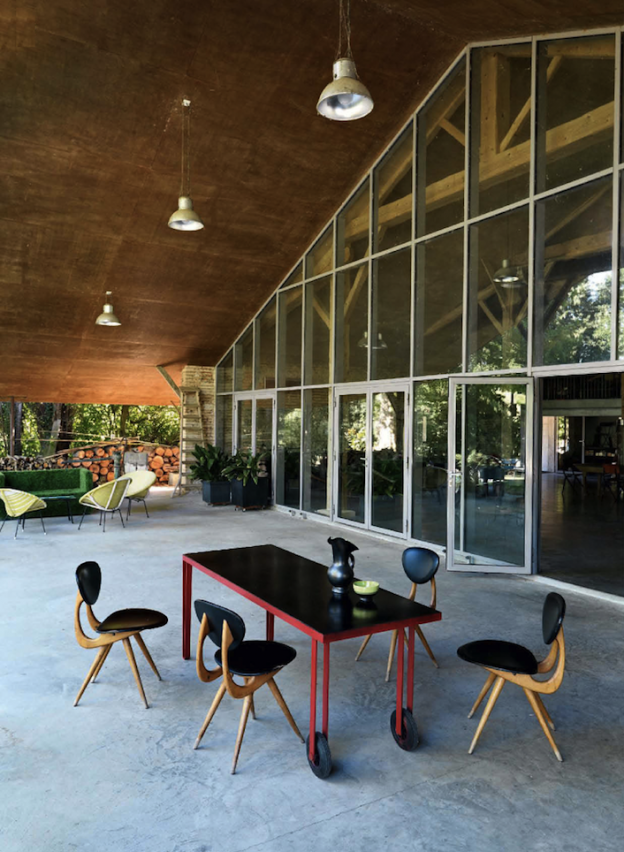
Undeniably rustic, this house exudes warmth and a lack of pretension. However, it is also contemporary, open plan and airy. The beauty lies in its simplicity – poured concrete floors, rough stone walls given refinement with bands of brickwork, large sections of ply lining the ceiling. I love the tactile quality of the materials, and also the honesty – materials are left in their natural state.

The detailing is kept simple too – a massive window frame is brought to rest at the wall and ceiling, without being cut in or forced into a recess. There are no skirtings, or mouldings, or other extraneous elements. There is an integrity to this approach, with every element and material given its due. The roof over-sails to form another room outside, with the minimal intervention of the glazed wall to keep the elements at bay.

The furniture is a wonderful mis-match of reclaimed and industrial pieces – free-standing floor lamps and industrial pendants, a metal desk and chair, a wood-topped dining table.

francoise1francoise4francoise3francoise8

House in Lot-et-Garonne region, France, via French by Design.

More wonderful spaces, here